News and Insights
Our latest News


The Hidden Costs of Not Expanding Your Warehouse Space
Discover the real impact of warehouse space problems.
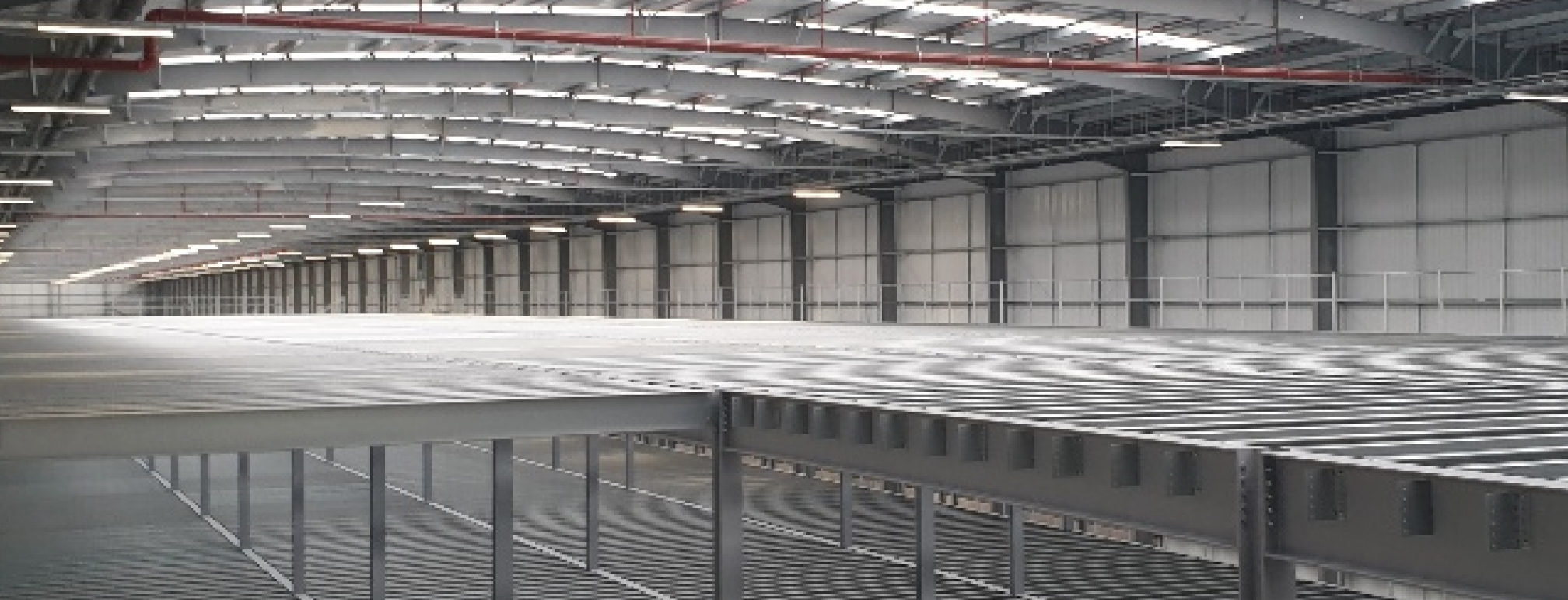
As businesses grow, warehouse space is often one of the first areas to come under pressure. At first, it might seem manageable. Over time, tighter aisles, fuller racking, and longer picking routes add up and impact productivity, targets, customer satisfaction and colleague morale.
Understanding warehouse inefficiency costs helps you recognise when space constraints shift from operational challenges to commercial risks. More importantly, what you can do to reduce the impact. In this article, we highlight the hidden costs of not expanding your warehouse space and the commercial possibilities when you do.
The True Cost of Warehouse Inefficiency
The longer warehouse space challenges persist, the more difficult and costly they become to resolve. The first step is recognising these challenges and the tipping point, so action can be taken before it’s too late.
Longer Handling Times
One of the biggest problems with outgrowing your space is longer picking routes. This is often because your warehouse layout is not optimised for new products. High-demand SKUs are not positioned in convenient locations, forcing staff or machines to travel farther, increasing time and labour per order. Multiply this by thousands of orders, and the impact becomes substantial. It also increases the risk of damage and errors due to unnecessary handling.
Reconfiguring your floor plan and optimising unused vertical space creates more opportunities for quick, safe, and logical workflows.
Staffing Pressures and Morale
Congested work environments can lead to frustration among staff, particularly when tasks become more physically demanding. Not to mention the pressure of meeting existing KPIs when product locations have doubled in distance. Inefficient warehouse layouts and storage can also create safety concerns, with increased traffic (people and equipment) in tighter spaces.
If not managed correctly, this additional pressure can lead to higher staff turnover, increased training costs, and reduced morale. All of which can impact productivity, customer satisfaction, and costs.
Workflow Performance and Bottlenecks
Teams can only work as efficiently as the equipment and processes they are provided with. Disorganised layouts and storage can demotivate your staff, leading to increased damage when handling products, picking errors, returned orders, and customer complaints. Stock visibility may also suffer, making it harder to conduct a full inventory or provide accurate availability information.
Incorporating shelving, racking, and chutes can help organise stock and provide clear routes for picking and packing. This not only improves safety but also speeds up performance by removing previous barriers.
Reduced Customer Satisfaction
This could be considered one of the most critical costs of poorly performing warehouse layouts. Longer process times and delayed picking and packing can lead to slower order fulfilment and increased frustration for your customers. For businesses operating in competitive markets, these issues can quickly translate into lost customers, bad reviews, and damaged reputation. What begins as an internal operational challenge suddenly becomes a bigger, customer-facing problem to manage. By solving internal space issues, you can avoid wider problems.
Missed Growth Opportunities
Whether you’re looking to expand your product line, hire more staff, or introduce AMRs, limited space also restricts your next steps. This means that businesses have to delay taking on new contracts or investments simply because they lack the capacity or flexibility to support them. While your competitors grab the latest trend, you’re left behind, not due to lack of demand, but lack of space. Over time, this can have a significant impact on revenue and brand potential.
By transforming unused vertical space into a mezzanine floor, you can elevate your business without relying on external locations or support.
How A Mezzanine Floor Can Address Space Problems
Individually, these warehouse capacity issues may seem manageable. But together, they create a compounding effect. If you’re serious about growth, you need to be aware of these constraints and how to resolve them.
At Bradfields, we help businesses see the bigger picture with mezzanine floor installations and storage structures customised to your space and requirements.
What Our Process Includes
- Reviewing existing warehouse inefficiencies and hidden costs
- A clear understanding of how the space needs to be used
- Detailed assessment of layout, storage and workflows
- Incorporating appropriate racking, shelving, office space and safety measures
- Planning for existing requirements and future growth
Recognising When Space Limitations Become a Risk
There are several indicators that warehouse capacity issues are becoming a costly inconvenience:
- Consistent congestion in key operational areas
- Increased picking and handling times
- Rising labour costs without corresponding output gains
- Frequent stock challenges
- Growing reliance on temporary storage solutions
- Delays in fulfilling customer orders
- Rising returns and customer dissatisfaction
If you are running out of warehouse space and storage, don’t hesitate to reach out to Bradfields. Our experts can help you overcome these challenges and transform your space for long-term, profitable growth.
Elevate Your Space with Bradfields
As specialists in high-quality mezzanine and fit-out solutions, we offer a full turnkey service for bespoke storage solutions. Whether you’re optimising industrial, commercial, or retail space, we can support you through the entire process to level up your operations.