News and Insights
Our latest News


What to Expect When Planning a Mezzanine Project
What’s involved in a mezzanine project and how to ensure a smooth installation.
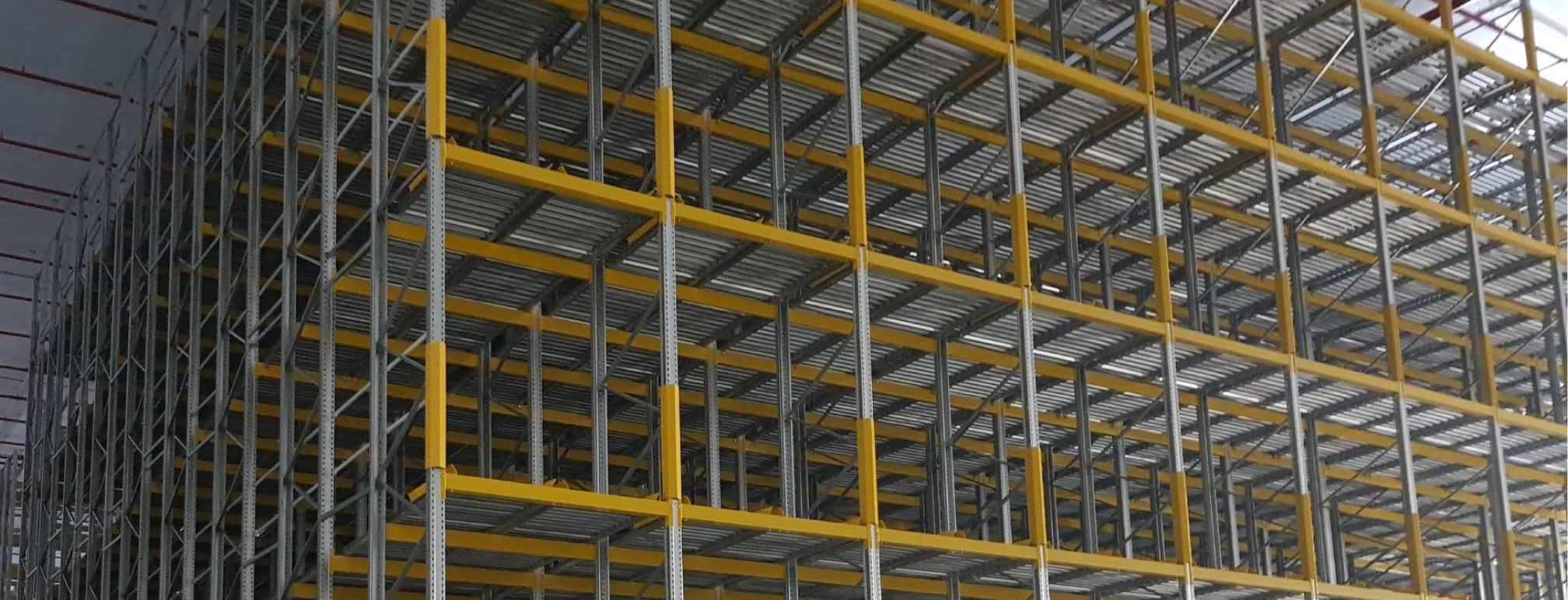
Planning a mezzanine project is an effective way to maximise your existing warehouse or shop floor without the need for relocation or expansion. However, a successful mezzanine installation involves far more than simply adding an extra level.
Whether you’re transforming a warehouse, distribution centre, showroom or shop floor, every stage of a mezzanine project plays a crucial role in ensuring your structure meets operational and regulatory requirements. In this article, we outline what to expect when planning a mezzanine project to ensure a smooth installation from start to finish.
Steps Involved in Planning a Commercial Mezzanine Project
Initial Assessment
The first step in a mezzanine project of any size is understanding whether your space is suitable. This typically involves a site survey to assess the building’s dimensions, layout, restrictions, and existing infrastructure. A site assessment helps define the scope of your project and identify any constraints early on.
Key factors considered at this stage include:
- Available floor space and ceiling height
- Existing structural capacity and restrictions
- Access points and workflow requirements
- Fire safety considerations and building regulations
Defining Requirements
Alongside the site assessment, it’s important to clearly outline how you want the mezzanine floor and space to be used. Different applications, such as shelving, racking, or office spaces, will influence the design, load capacity, and access points.
At this stage, you should consider:
- Intended use of mezzanine (current and future use)
- Load-bearing requirements (people, products and machinery)
- Access solutions (stairs, lifts and pallet gates)
- Integration with existing storage and processing systems
Mezzanine Design and Planning
Only when all measurements and requirements are confirmed should the design phase begin. This is where concepts are translated into detailed plans that consider functionality, compliance, and future-proofing. A well-executed space design helps clients visualise their mezzanine in situ and highlights any concerns early on, reducing the risk of costly changes later.
During this phase, we provide:
- Detailed blueprint drawings and structural calculations
- CAD design and 3D modelling to replicate a real-life installation
- Positioning of lighting, ventilation, utilities and access points
- Fire protection measures and safety barrier positioning
- Collaboration with building control and regulations
Quotation and Project Scope
An accurate design helps provide a detailed and realistic quotation. This should provide a clear outline of all aspects involved, as well as providing transparency around costs and timelines. It’s important to review the quote and scope carefully to ensure everything is as expected and accounted for.
Project scopes and quotes tend to include:
- Materials and manufacturing prices
- Installation timeline and labour costs
- Compliance measures and safety features
- Project timelines and key milestones
Fabrication and Preparation
Once the design and quote are agreed and signed off, manufacturing can begin. Each piece of your mezzanine structure, from stairs and flooring to racking, chutes, and even interior design, is fabricated with precision and attention to detail, ensuring full compliance and quality for a smooth installation
Site preparation will also begin, which covers:
- Clearing and organising installation area
- Coordinating with contractors and departments
- Confirming access and delivery logistics
- Final approvals from building control and landlords
- Communications with key personnel to ensure minimal disruption
Mezzanine Installation
A professional mezzanine installation team will be on hand to efficiently assemble your bespoke mezzanine structure. Fully aware of the design and layout, they will deliver a smooth, swift installation, maintaining safety and compliance while causing minimal disturbance to your site. The length of this phase is dependent on the size and complexity of your project, but often includes:
- Delivery of materials and components
- Structured build sequence to minimise disruption
- Ongoing communications and progress updates
- Adherence to health and safety standards
Final Inspection and Handover
Once built, the project moves into its final stage. This involves multiple inspections of the structure to ensure its integrity, functionality, safety and compliance. Once all standards are met, the mezzanine can be signed off and prepared for operational use.
- Final quality checks and safety inspections
- Thorough testing of electrics or machinery
- Certification and compliance documentation
- Client walkthrough and handover
How to Ensure a Smooth Mezzanine Project
A mezzanine project is a significant investment. It’s important to know what’s involved at every stage; not just to prepare yourself for what’s to come, but so you know what should be included at every stage. With the right planning and guidance, you can avoid mistakes and create a straightforward process.
If you’re considering a retail, office or multi-tier mezzanine project, starting with a clear plan and the right expertise can make all the difference.
Elevate Your Space with Bradfields
As specialists in high-quality mezzanine and fit-out solutions, we offer a full turnkey service for bespoke storage solutions. Whether you’re optimising industrial, commercial, or retail space, we can support you through the entire process to level up your operations.