News and Insights
Our latest News
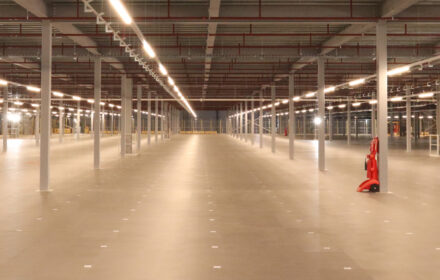

The Future of Warehouse Automation
Warehouse automation is rapidly changing how warehouses across the UK are planned, designed, and operated. As supply chains grow more complex and customer expectations continue to rise, automation is no longer viewed as a specialist upgrade reserved for large distribution centres. It is now a practical, long-term solution for improving efficiency, accuracy, and operational resilience across warehouses of all sizes.
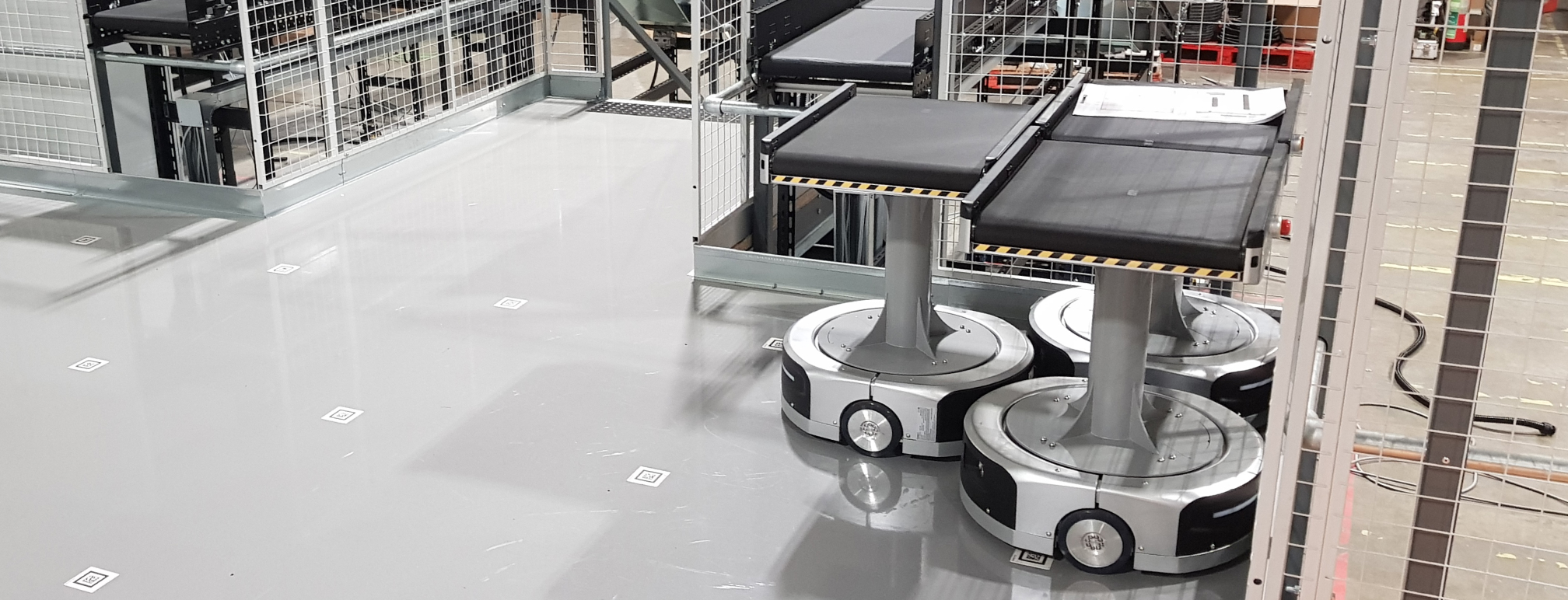
As automation technologies evolve, they are directly influencing how warehouses are designed and laid out
From robotics-ready floor plans to vertically optimised storage systems, warehouse environments must adapt to support faster throughput, safer movement, and scalable growth. These changes are reshaping the way businesses think about space, workflow, and long-term planning.
This article explores the future of warehouse automation, focusing on how layout and design decisions will shape warehouse performance and long-term success for UK businesses.
Introduction: Why Warehouse Automation is More Than Technology
Warehouse automation is often discussed in terms of robotics, software, and machinery, but its impact extends far beyond individual systems. At its core, automation changes how warehouses function as physical environments, influencing workflow design, movement patterns, storage strategy, and overall operational structure.
For UK businesses facing labour shortages, rising operating costs, and increasing fulfilment pressure, automation offers a way to maintain service levels without relying solely on manual processes. However, automation is not a plug-and-play solution. Its success depends on whether the warehouse itself is designed to support automated operations.
When automation is considered early in the design process, warehouses can operate more efficiently, adapt more easily to future demand, and avoid costly retrofits. This is why layout and design are becoming just as important as the automation technology itself.
Improving Capacity Without Expanding the Footprint
One of the most immediate benefits of warehouse automation is the ability to increase operational capacity without increasing building size.
Making Better Use of Available Space
Automated systems function differently from traditional manual processes and require environments designed specifically to support them. Robotics require clear travel routes, consistent navigation space, and carefully managed interaction points. Conveyors and automated storage systems need defined zones, access clearances, and integration with the wider workflow.
For UK warehouses operating within fixed sites or urban locations, this ability to do more with the space available is invaluable. Automation allows businesses to increase throughput while avoiding the cost, disruption, and planning challenges associated with relocation or building expansion.

How Automation Changes Storage Strategy
Automation encourages a shift away from traditional storage layouts towards more structured and intentional designs. Goods are positioned based on demand frequency, handling requirements, and system flow rather than convenience alone. Automated storage systems and robotics-supported picking enable higher storage density while maintaining accessibility. When combined with thoughtful layout design, automation improves both capacity and operational clarity.
Designing Layouts That Support Automated Flow
Automation performs best when warehouse layouts are designed around predictable, efficient movement.
From Manual Routes to Automated Pathways
Traditional warehouse layouts were designed around manual picking routes and forklift traffic. Automated warehouses require a different approach. Robots, conveyors, and automated vehicles rely on consistent pathways and clear operational zones to function safely and efficiently. Automation-ready layouts typically include:
- Defined navigation routes for automated systems
- Logical zoning of storage, picking, and packing areas
- Minimal obstructions and dead-end routes
- Consistent floor conditions to support equipment reliability
Designing with automated flow in mind reduces system interruptions and improves overall throughput.
Reducing Bottlenecks Through Design
Even well-chosen automation can underperform if layout design creates congestion. Narrow aisles, conflicting traffic routes, or poorly positioned workstations can all limit efficiency. Automation-led design focuses on removing these barriers early. By addressing layout constraints at the planning stage, warehouses can support smoother workflows and safer movement throughout the facility.
The Role of Autonomous Mobile Robots in Warehouse Design
Autonomous mobile robots (AMRs) are one of the fastest-growing technologies in warehouse automation and are expected to account for 20% of the overall warehouse automation market by 2028.
Why AMRs are Influencing Floor Planning
AMRs move dynamically through warehouse environments, transporting goods between storage, picking, and packing areas. Their flexibility makes them attractive, but it also places specific demands on warehouse layout. Warehouses adopting AMRs often need:
- Wider or clearer aisles to support navigation
- Defined robotic travel zones
- Dedicated charging and staging areas
- Improved traffic flow management
These requirements are driving cleaner, more streamlined warehouse layouts that prioritise movement efficiency.
Balancing Storage Density and Movement Efficiency
While AMRs improve workflow efficiency, storage capacity must still be protected. Effective design balances clear movement paths with intelligent storage placement, ensuring automation improves productivity without reducing usable space. Careful planning allows AMRs to integrate seamlessly into existing operations while delivering measurable performance improvements.
Unlocking Vertical Space Through Automation
As floor space becomes more constrained, vertical space is playing a growing role in warehouse automation strategies.
Why Your Measurements Matter
Every facility has a different column grid, available headroom, access requirements, tolerances, and load capacity. In addition to fire safety ratings and compliance regulations. Only a bespoke mezzanine structure can address all of these factors, including details such as lighting, acoustics, finishes, and integration of conveyors, lifts, and racking for a safe and seamless installation.
Why Vertical Automation is Growing
Vertical automation focuses on maximising cubic space rather than just floor area. Automated storage systems, multi-tier picking operations, and mezzanine-integrated workflows allow warehouses to expand capacity within existing buildings.
This approach is especially effective for UK warehouses operating from sites where expansion is limited or relocation is not practical.
Designing for Safe and Efficient Vertical Integration
Vertical automation requires careful planning around load capacities, access routes, fire safety regulations, and system integration. When designed correctly, vertical layouts support higher throughput while maintaining safe access for people and equipment. Vertical design also allows warehouses to create dedicated zones for different activities, improving organisation and workflow clarity.
Data-Driven Layout Decisions
Warehouse automation generates valuable operational data that can be used to refine layout performance over time.
Using Real Data to Refine Warehouse Layouts
Modern warehouse management systems provide insights into order profiles, picking frequency, and stock movement. This data allows businesses to adjust layouts based on actual operational behaviour. For example:
- High-demand items can be positioned closer to dispatch
- Automated routes can be shortened to reduce travel time
- Bottlenecks can be identified and resolved
- Underused areas can be repurposed
These data-driven adjustments help warehouses remain efficient as demand changes.
Continuous Improvement Through Automation
Automation enables warehouses to evolve continuously. Layouts no longer need to remain static, allowing incremental improvements that support long-term performance and scalability.
Artificial Intelligence and Smarter Warehouse Automation
Artificial intelligence is becoming an increasingly important part of warehouse automation.
How AI Supports Warehouse Efficiency
AI-driven systems can analyse large volumes of operational data to optimise picking routes, forecast demand, and allocate resources more effectively. This reduces wasted movement, improves planning accuracy, and supports faster decision-making.
AI also enables predictive maintenance, identifying potential equipment issues before they cause downtime, which improves reliability and system lifespan.
Planning for Future Automation Capabilities
Warehouses designed with flexible layouts and scalable infrastructure are better positioned to adopt AI-enabled automation as technology develops. This future-proofing approach reduces the need for disruptive changes later on.
Creating Safe and Productive Automated Environments
Despite increased automation, people remain essential to warehouse operations.
Supporting People Within Automated Warehouses
Automation-ready layouts must provide safe, clearly defined spaces for both people and machines. This includes:
From Manual Routes to Automated Pathways
Traditional warehouse layouts were designed around manual picking routes and forklift traffic. Automated warehouses require a different approach. Robots, conveyors, and automated vehicles rely on consistent pathways and clear operational zones to function safely and efficiently. Automation-ready layouts typically include:
- Defined navigation routes for automated systems
- Logical zoning of storage, picking, and packing areas
- Minimal obstructions and dead-end routes
- Consistent floor conditions to support equipment reliability
Designing with automated flow in mind reduces system interruptions and improves overall throughput.
Improving Working Conditions Through Design
By reducing congestion and repetitive manual tasks, automation-supported layouts contribute to better working conditions. Clear layouts help staff move safely and efficiently, supporting productivity and long-term retention.
Sustainability and the Future of Warehouse Automation
Sustainability is becoming an increasingly important consideration for UK warehouses.
How Automation Supports Sustainable Warehousing
Warehouse automation reduces wasted movement, improves space utilisation, and can lower energy consumption. By increasing throughput within existing buildings, automation also helps reduce the need for new construction.
Long-Term Efficiency Gains
Automation-led layouts support long-term operational efficiency, aligning sustainability goals with commercial performance and cost control.
Why Early Planning Matters
Warehouse automation delivers the greatest value when it is planned into the layout from the outset.
Value of Automation-First Planning
Planning early allows businesses to consider:
- Floor loading and clear heights
- Power and data infrastructure
- Integration with mezzanine and racking systems
- Space for future automation expansion
How Bradfields Supports Automation-Ready Warehouse Design
At Bradfields, we work closely with businesses to design warehouse environments that are ready for automation, both now and in the future. Our approach focuses on creating practical layouts that support efficient workflows, safe movement, and scalable growth, rather than one-size-fits-all solutions.
Whether it involves improving warehouse flow, unlocking vertical space through mezzanine floors, or ensuring layouts can accommodate robotics and automated systems, our experience allows us to deliver solutions that align with each client’s operational goals. By combining careful planning with a deep understanding of warehouse design, we help businesses create spaces that perform efficiently today and remain adaptable for tomorrow.
Start Planning For Your Future
The future of warehouse automation will belong to businesses that plan early, design intelligently, and invest in spaces that can evolve with operational demand.
If you are exploring how warehouse automation may influence your warehouse layout or future plans, the Bradfields team is here to help you make the most of your space.