News and Insights
Our latest News
Importance of the Design Phase During a Mezzanine Project
When planning a mezzanine installation, it’s easy to jump ahead and focus on the end result – more space, improved layout, and increased operational efficiency.
A well-planned mezzanine floor design ensures your structure is safe, compliant, and tailored to your business needs. It also ensures a smooth installation with minimal disruption to day-to-day operations. Poor planning can lead to costly delays, inefficiencies, or limitations later on. In this article, we explore why the mezzanine design process plays such a significant role in maximising your investment.
What Happens During the Mezzanine Design Phase?
The mezzanine floor design phase follows an initial site visit and an understanding of your requirements, to highlight both limitations and possibilities. With this information, a mezzanine floor design allows your ideas to be translated into a practical, buildable solution.
Key elements of the mezzanine design process
- Site survey and measurements
- Load-bearing capacity calculations
- Space planning and layout design
- Access points (stairs, lifts, walkways, etc.)
- Compliance with building regulations
- Integration with existing operations (racking, forklifts, AMRs)
Key Considerations in Mezzanine Floor Design
Every mezzanine floor project is unique to the business and building it’s installed into. Although each mezzanine may differ to accommodate its end purpose, they all address important factors during the design phase.
Intended Use
You need to establish what the space will be used for before design begins. The advantage of mezzanine floors is their flexibility, so their purpose can evolve alongside your business needs. Whether you require storage, shelving, office space, or retail displays, these will influence the shape and style of your mezzanine.
Space Optimisation
Maximising unused vertical space is at the core of any mezzanine floor layout planning. The design should make full use of available height while safely maintaining usability and accessibility. There are several ways this can be achieved through multi-tier mezzanines, goods lifts, and chutes.
Workflow and Accessibility
In addition to creating additional space, a good mezzanine design should improve operational efficiency. This includes the positioning of stairs, goods lifts, pedestrian walkways, and vehicle and AMR pathways. When planned correctly, they minimise disruption, improve flow, and increase safety.
Future Scalability
Your business will naturally evolve as it grows, with more people, products, and automation. When planning your mezzanine floor, these future goals should be considered and incorporated into the design to adapt over time. A flexible design allows for future expansion or reconfiguration in a cost-efficient way.
Aesthetics and Branding
This is more prominent in customer-facing environments such as retail stores. Mezzanine designs at these locations play a key role in enhancing the customer experience and driving more sales. Therefore, mezzanine finishes such as materials, flooring, and balustrades should align with your brand and vision.
See our latest mezzanine projects.
Why the Design Stage Is Critical for Mezzanine Compliance
Installing a mezzanine floor in any building must comply with strict UK building regulations and safety standards. The design phase ensures all compliance requirements are addressed and met early, before any fabrication or installation commences.
Safety and compliance standards
- Structural integrity and accurate load calculations
- Fire safety measures and escape routes
- Correct safety barriers and signage
- Access and egress planning
- Building control approval & structural signoff
This stage not only ensures compliance with your mezzanine structure but also the safety of your colleagues and customers using your mezzanine floor.
Common Mezzanine Design Mistakes to Avoid
Poor mezzanine design can lead to long-term challenges. Engaging with experienced mezzanine floor designers can save you a lot of time, money, and stress, helping you create the right mezzanine floor from the start.
most common mistakes we come across
- Underestimating load requirements that lead to structural limitations and risks.
- Ignoring workflows which results in inefficient layouts and missed opportunities.
- Overlooking safety and compliance that can cause delays or additional costs.
- Poor space planning, with valuable square footage wasted.
- Lack of future-proofing that doesn’t align with goals and limits future growth.
The Benefits of Professional Mezzanine Design Services
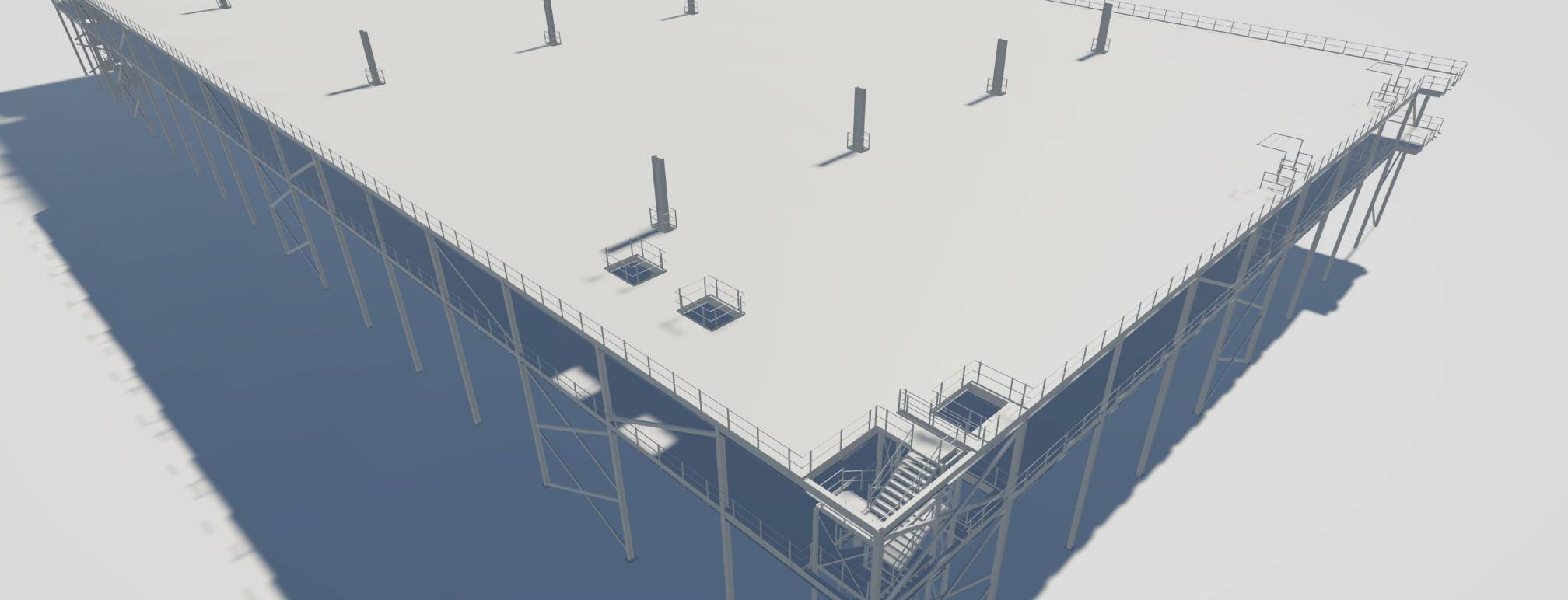
Partnering with a specialist mezzanine design company like Bradfields ensures your project is handled with expertise from the outset. You also have access to our latest design technology, CAD designs, and 3D modelling, which allow you to view your mezzanine floor in situ.
benefits of Choosing Bradfields
- Tailored, bespoke mezzanine design solutions
- CAD designs, which you can view and amend before fabrication
- Full compliance with UK regulations
- Accurate structural calculations and specifications
- Efficient project management from concept to completion
- Expert advice on layout, materials, accessories, and finish
See how our mezzanine installation process works.
Design Your Perfect Mezzanine Floor
At Bradfields, we understand the value of mezzanine design. It can determine how effectively your space is used, how smoothly your mezzanine project runs, and the long-term benefits it can deliver. If you’re considering a mezzanine project, investing in a thorough and professional design process is a must.
Contact our design experts today to discuss your mezzanine idea and requirements, and discover how a professionally designed mezzanine can transform your space.